Schedule your consultation today.

Brain Injury

Brain Injury

Understanding stroke and the path to recovery

Stroke occurs when blood supply to the brain is interrupted, leading to sudden loss of brain function. Early treatment and structured rehabilitation play a critical role in recovery and long-term outcomes.
Introducing the condition

Stroke is a medical emergency that can affect movement, speech, thinking, and daily functioning. It is one of the leading causes of disability among adults and older adults. While stroke can happen suddenly, recovery does not end with emergency treatment. Ongoing rehabilitation and supportive care are essential to help individuals regain function, adapt to changes, and improve quality of life.

What is the condition?

A stroke occurs when the blood flow to a part of the brain is reduced or blocked, depriving brain cells of oxygen and nutrients. Without prompt blood supply, brain cells begin to die, leading to loss of function controlled by that area of the brain. Strokes are broadly classified into different types based on how blood flow to the brain is affected. The effects of a stroke vary widely depending on the area of the brain involved and the severity of damage.

What causes the condition?

Stroke can occur due to several underlying factors, including:

  • Blockage of blood vessels supplying the brain
  • Bleeding within or around the brain
  • Long-standing high blood pressure
  • Diabetes and high cholesterol
  • Smoking and excessive alcohol use

How Can the Condition Be Prevented?

While not all strokes can be prevented, the risk can be significantly reduced through appropriate measures. Stroke prevention focuses on managing risk factors such as blood pressure, blood sugar levels, and cholesterol. Adopting a healthy lifestyle that includes regular physical activity, a balanced diet, and avoidance of tobacco can lower the risk. Regular medical check-ups, adherence to prescribed medications, and early management of heart conditions also play an important role in stroke prevention.

How Is the Condition Treated?

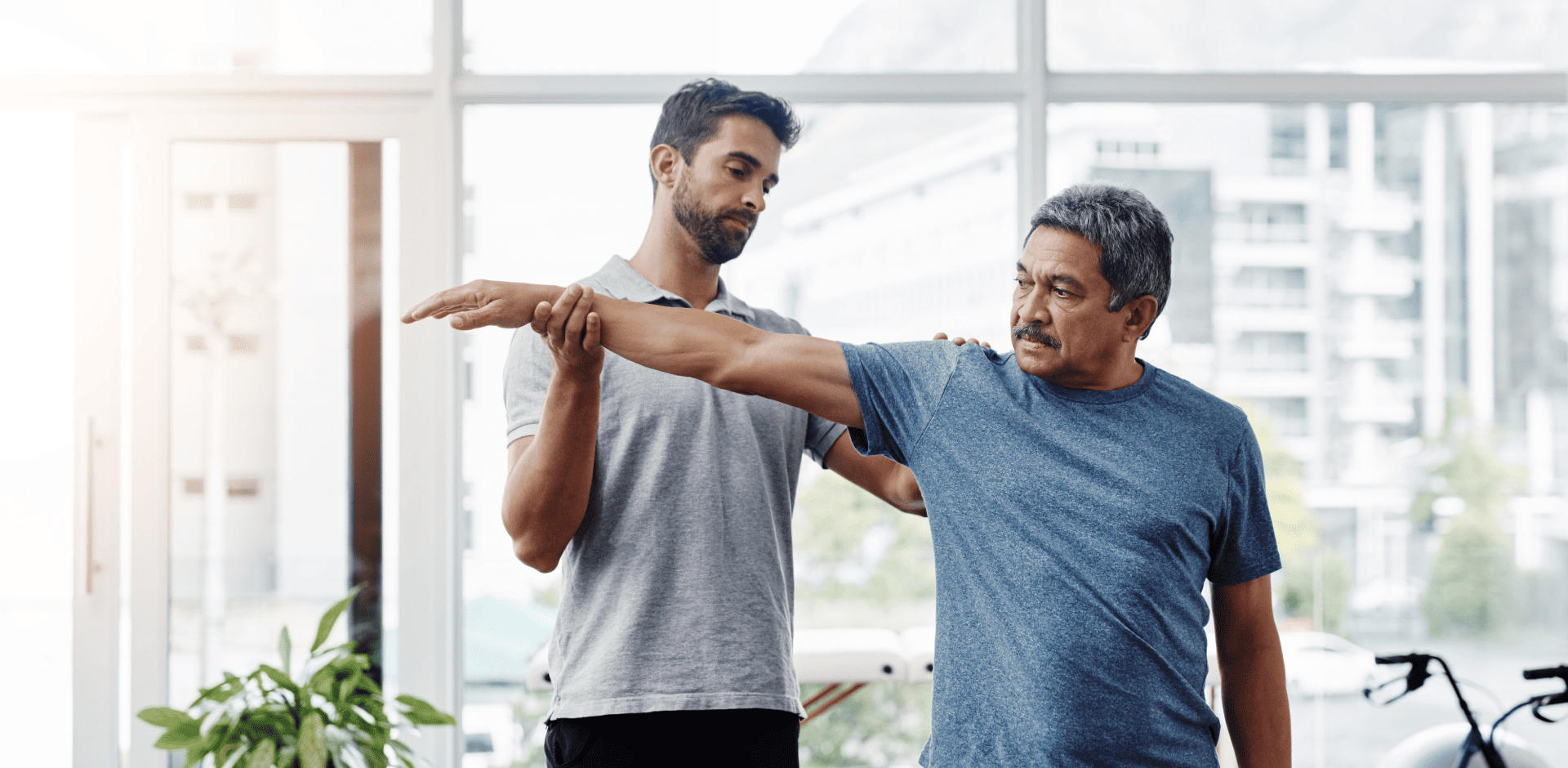
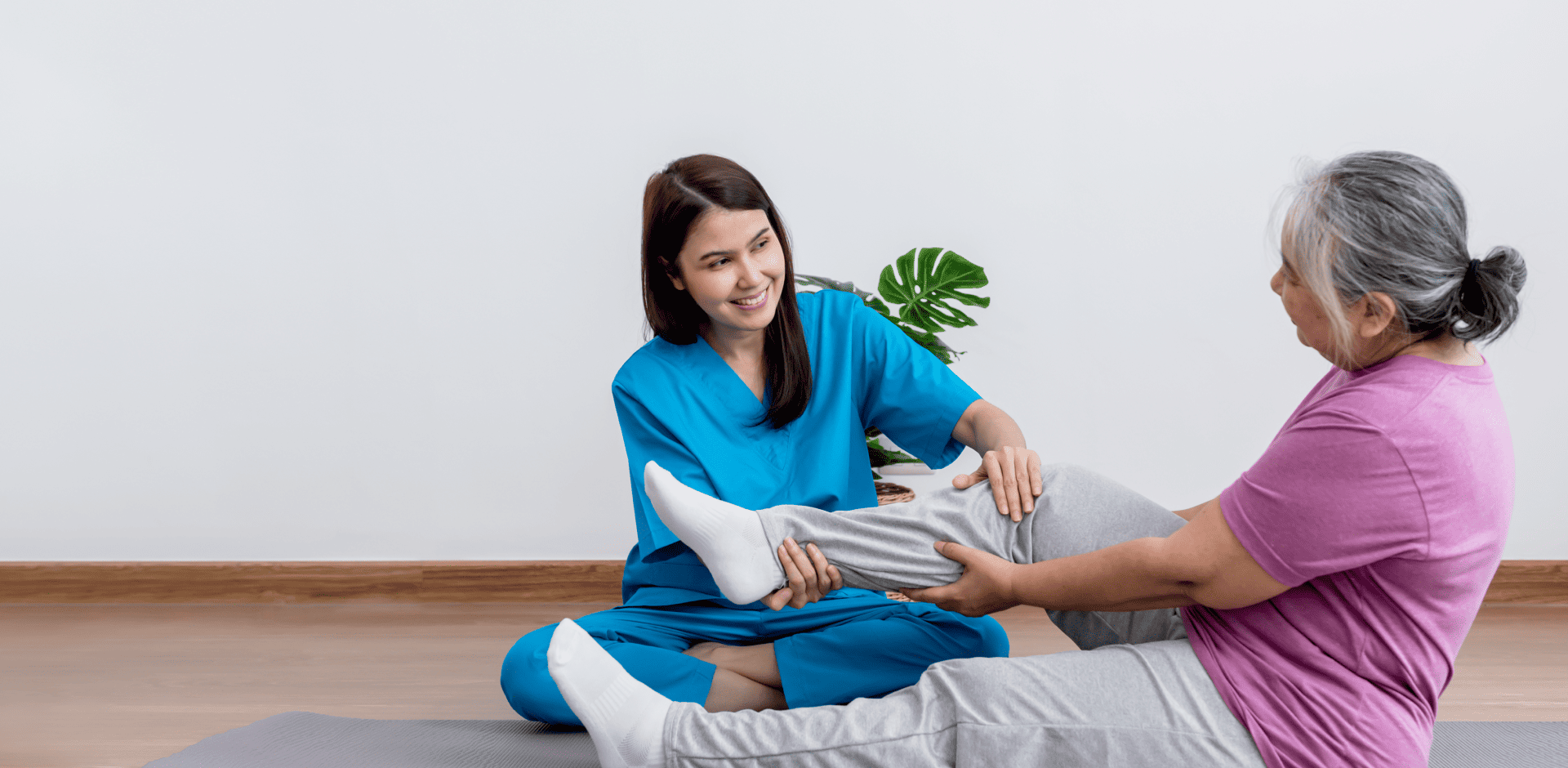
Stroke treatment begins with emergency medical care aimed at restoring blood flow or controlling bleeding in the brain. Once the person is medically stable, rehabilitation becomes a key component of recovery. Stroke rehabilitation focuses on helping individuals regain lost functions, adapt to physical and cognitive changes, and improve independence. Rehabilitation may address movement, balance, speech, swallowing, thinking, and emotional well-being. Early and continuous rehabilitation has been shown to improve functional outcomes and reduce long-term disability after stroke.

Rehabilitation after stroke should start as early as possible. If you are medically stable, rehabilitation may begin one day after the stroke, and should be continued after discharge.

- American Stroke Association

Recovery & Prognosis for Stroke.

Recovery after stroke varies widely between individuals. Some people recover quickly, while others may require long-term support and rehabilitation.

Factors influencing recovery include the severity of the stroke, the area of the brain affected, overall health, and how early rehabilitation begins. With appropriate care, many individuals are able to regain function, learn compensatory strategies, and improve participation in daily life.

Ongoing rehabilitation and follow-up care are often needed to maintain gains and prevent complications.

Living With The Condition

Living with stroke may involve adapting to physical, cognitive, or emotional changes. Individuals may experience challenges related to mobility, communication, self-care, or participation in daily activities. With appropriate rehabilitation, assistive strategies, and ongoing support, many people learn to manage these changes and regain confidence in daily life. Long-term recovery is supported by continued therapy, lifestyle modifications, and regular follow-up care.

Are you a carer of someone with this condition?

Caring for a person after a stroke can be physically and emotionally demanding. Carers often assist with mobility, communication, personal care, medication management, and emotional support.

Education, guidance, and professional support can help carers provide safe and effective care while also protecting their own well-being. Seeking help early can reduce caregiver strain and improve outcomes for both the individual and the family.

Why Choose PTC for the Condition

PTC provides structured, rehabilitation-led care for individuals recovering from stroke. PTC Care Highlights (Interactive Boxes):

  • Multidisciplinary stroke rehabilitation
  • Individualised care planning
  • Focus on functional recovery and independence
  • Continuity across outpatient, home, and residential care
  • Active caregiver and family involvement

Rehabilitation after stroke should start as early as possible after the stroke. If you are medically stable, rehabilitation may begin one day after the stroke, and should be continued after discharge from the hospital, if needed. For some, rehabilitation can take place months or years later as your condition improves, or in case it worsens.

American Stroke Association

Key Takeaway

Stroke is a serious condition, but recovery is possible with timely medical care, structured rehabilitation, and long-term support. Early intervention and coordinated care play a critical role in improving independence and quality of life.

Content Review & References

Medically Reviewed By: Dr Kavinkumar Saravanan, MD., GFPM., PGDG.,

Last Updated On:27.01.2026

American College of Cardiology. Evaluation of Cryptogenic Stroke . Last updated 10/15/2019. Accessed 1/27/2025.

Baig MU, Bodle J. Thrombolytic Therapy . Accessed 1/27/2025.

Gore M, Bansal K, Khan Suheb MZ, et al. Lacunar Stroke . Accessed 1/27/2025.

Hui C, Tadi P, Khan Suheb MZ, et al. Ischemic Stroke . Accessed 1/27/2025.

National Library of Medicine (U.S.). Stroke. Last updated 4/22/2024. Accessed 1/27/2025.

Øie LR, Kurth T, Gulati S, Dodick DW. Migraine and risk of stroke . Accessed 1/27/2025.

Tadi P, Lui F. Acute Stroke . Accessed 1/27/2025.

Unnithan AKA, Das JM, Mehta P. Hemorrhagic Stroke . Accessed 1/27/2025.

Locations of Care

Find the PTC Care Center that provides care for Brain Injury

Explore Our Network Of Care Centers

PTC Care Center - Namakkal Residential Center

Similar conditions you need to aware of

Other related Conditions

01

Developmental Delay

Support for delayed physical and cognitive milestones.

Frequently Asked Question

Yes. Stroke requires immediate medical attention.

Recovery varies. Many people improve significantly with timely rehabilitation.

Rehabilitation often begins as soon as the person is medically stable.

Yes. Home-based rehabilitation is available based on assessment.

Support Better Care, Better Outcomes

Compassionate therapy can transform lives.
Take the first step today toward personalized care and lasting progress.